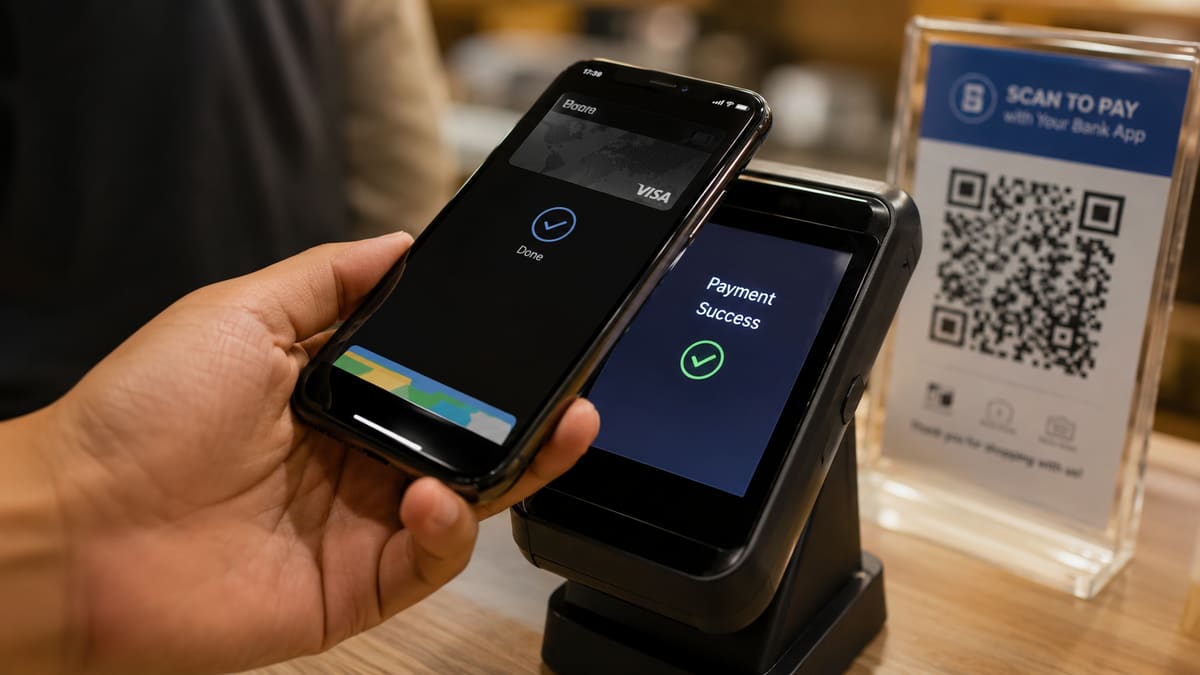
The way Nepal pays is changing. Walk into any modern restaurant, retail store, or service provider in Kathmandu today and you'll see QR codes at the counter. This shift from cash to contactless didn't happen overnight — and for businesses still operating on cash-only models, the window to adapt is narrowing.
The Rise of Digital Payments in Nepal
Platforms like eSewa, Khalti, and ConnectIPS have fundamentally changed consumer behavior. Customers now expect the option to pay without cash — and in many cases, prefer it. For businesses, this creates both an opportunity and an obligation: integrate digital payment options or risk losing customers who simply don't carry cash.
QR Codes: Simple but Powerful
The beauty of QR-based payments is their simplicity. No hardware required beyond a printed code. No transaction fees beyond the payment gateway. Near-instant settlement. For small and medium businesses in Nepal, QR payments are the easiest entry point into digital transactions — and one we help clients integrate into their websites, apps, and POS systems.
NFC and Tap-to-Pay
As smartphone penetration grows and card infrastructure expands, NFC (Near Field Communication) tap-to-pay is entering Nepal's market. While still emerging, businesses that build for NFC compatibility today will be ready when the majority adopts it — which, based on global trends, is a matter of when, not if.
What This Means for Your Business
Contactless payments reduce checkout friction, decrease cash handling errors, improve transaction records for accounting, and signal modernity to customers. Whether you run a restaurant, a retail store, or a service business, integrating digital payments is one of the highest-ROI tech decisions you can make in 2026.